A confident smile can shape first impressions, boost self-esteem, and support lifelong oral wellness. Today’s teens and adults have more choices than ever before when it comes to improving alignment, appearance, and function. Advances in technology have transformed treatment into something more comfortable, flexible, and personalized than in past decades.
This guide walks readers through modern smile correction options in a practical, easy-to-understand way. It explains how to identify problems, compare solutions, plan treatment timelines, and protect results long term. Whether someone is considering treatment for themselves or a child, the goal is to help readers make informed decisions with clarity and confidence.
Understanding Smile Problems and When to Seek Professional Help
Many smile concerns start small and worsen gradually, which is why early evaluation matters for both teens and adults. Crowding, spacing, bite misalignment, and uneven wear can affect appearance as well as comfort when eating or speaking.
A qualified dentist is often the first point of contact. They assess overall oral health, identify structural concerns, and determine whether cosmetic changes alone are sufficient or if alignment issues need attention. In cases involving jaw position or complex tooth movement, an orthodontist may become part of the treatment plan to ensure long-term stability.
Actionable steps readers can take before an initial visit include:
- Noting any discomfort when chewing or jaw clicking
- Taking photos of the smile from different angles
- Listing aesthetic concerns alongside functional issues
- Asking about expected timelines and follow-up care
Teens typically benefit from early monitoring while growth is ongoing, whereas adults may focus more on comfort, appearance, and minimizing disruption to daily routines.
Discreet Straightening Solutions for Image-Conscious Patients
Not everyone wants noticeable hardware while improving their smile. Modern discreet systems appeal to teens concerned about school photos and adults who prefer subtle treatment during professional or social activities.
braces‘>Hidden braces are placed on the inner surfaces of the teeth, making them virtually invisible from the outside. They are custom-designed and work continuously without requiring patient removal. Invisalign uses a series of clear, removable aligners that gradually guide teeth into position while allowing flexibility for meals and hygiene.
To choose the right option, patients should consider:
- Willingness to wear removable trays consistently
- Comfort with fixed systems that stay in place
- Lifestyle factors such as sports or public speaking
- How often adjustments or replacements are needed
Both options require commitment and routine check-ins to maintain progress, but they offer confidence during treatment that traditional methods may not.
Traditional and Modern Braces: What Patients Need to Know
While discreet options are popular, traditional systems remain highly effective, especially for more complex alignment issues. Today’s braces are smaller, smoother, and more efficient than those of previous generations.
Modern materials allow for better control of tooth movement, often reducing overall treatment time. Teens may benefit from durability and predictability, while adults appreciate improved comfort and aesthetics compared to older designs.
Tips for managing treatment successfully include:
- Following cleaning routines to prevent staining
- Using orthodontic wax to reduce irritation
- Scheduling adjustments promptly
- Avoiding foods that can damage components
With proper care, braces can deliver reliable, long-lasting results for patients of all ages.
Restoring Structure and Strength After Tooth Damage
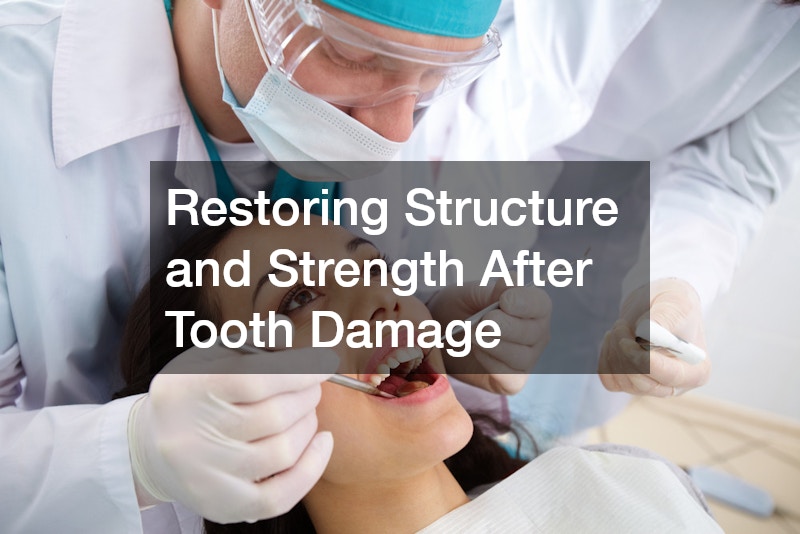
Alignment alone cannot solve every smile concern. Teeth that are cracked, weakened, or missing may require restoration to regain full function and balance.
Dental crowns protect damaged teeth by covering them with a durable outer layer designed to match natural shape and color. Dental implants replace missing teeth by anchoring a lifelike restoration into the jaw, preserving bone structure and preventing shifting.
When deciding between restorative options, patients should evaluate:
- The extent of damage or tooth loss
- Long-term durability and maintenance needs
- Healing time and procedural steps
- How restoration fits into overall smile goals
Restorative care often works hand-in-hand with alignment treatments to create a healthy, complete smile.
Enhancing Shape, Color, and Overall Smile Harmony
Once alignment and structure are addressed, aesthetic refinement can bring the smile together. Cosmetic improvements focus on balance, brightness, and proportion rather than movement.
A cosmetic dentist evaluates facial symmetry, tooth shape, and shade to recommend appropriate enhancements. Teeth whitening is commonly used to remove stains and discoloration, especially after alignment treatments that reveal more uniform spacing.
For best results, patients should:
- Complete alignment before aesthetic procedures
- Follow post-treatment care instructions carefully
- Avoid staining foods and beverages initially
- Maintain regular cleanings to preserve results
These finishing touches can dramatically enhance confidence when timed and planned correctly.
Handling Unexpected Dental Issues During Smile Correction
Even well-planned treatments can encounter surprises. Discomfort, broken appliances, or sudden pain should never be ignored during smile correction.
An emergency dentist can address urgent issues quickly, helping prevent complications that could delay progress. Common concerns include loose components, severe irritation, or trauma from accidents.
Preparation tips include:
- Knowing who to contact outside regular hours
- Keeping temporary relief supplies at home
- Understanding which symptoms require immediate care
- Acting promptly to protect ongoing treatment
Having a plan ensures peace of mind throughout the correction process.
How to Choose the Right Smile Correction Path
Every patient’s needs, goals, and timelines are different. The best approach combines clinical recommendations with personal priorities such as comfort, visibility, and maintenance.
Helpful planning steps:
- Define short-term and long-term goals
- Compare treatment duration and lifestyle impact
- Ask for visual previews or models when available
- Consider how multiple procedures may be sequenced
A thoughtful plan leads to smoother treatment and more satisfying results.
Costs, Insurance, and Financing Options Explained

Understanding financial considerations helps patients commit confidently to treatment. Costs vary widely depending on complexity, materials, and duration.
Patients can take control of expenses by:
- Requesting detailed estimates in advance
- Exploring insurance coverage limits
- Asking about payment plans or financing options
- Budgeting for maintenance and follow-up visits
Transparent planning reduces stress and allows patients to focus on progress rather than surprises.
Long-Term Maintenance and Protecting Your Results
Smile correction does not end when active treatment is complete. Long-term success depends on daily habits, regular monitoring, and awareness of subtle changes that can occur over time. Teeth naturally shift as people age, and lifestyle choices can influence color, alignment, and overall oral health.
Patients can protect their results by focusing on consistent care:
- Wearing retainers exactly as prescribed to prevent relapse
- Maintaining excellent brushing and flossing habits
- Scheduling routine cleanings and evaluations
- Addressing grinding or clenching early with protective appliances
Diet also plays a role in long-term outcomes. Limiting sugary snacks, acidic drinks, and excessive snacking helps preserve enamel and prevents discoloration. Hydration and saliva production are equally important for maintaining a healthy oral environment.
Special Considerations for Teens Versus Adults
Although modern smile correction works well at any age, teens and adults approach treatment with different priorities and challenges. Understanding these differences helps families and individuals set realistic expectations from the start.
For teens, timing and growth are major factors. Treatment may take advantage of ongoing jaw development, which can shorten timelines and improve stability. Parental involvement is often needed to support consistency, hygiene, and appointment scheduling.
Adults, on the other hand, often focus on convenience and aesthetics. Work schedules, family responsibilities, and social commitments influence treatment choices. Adults may also require additional planning if previous dental work or bone changes are involved.
Key differences to consider include:
- Growth potential and adaptability
- Lifestyle flexibility and daily routines
- Previous dental history
- Long-term maintenance expectations
Both age groups benefit from clear communication, realistic goal setting, and consistent follow-through.
Coordinating Multiple Treatments for the Best Outcome

In many cases, smile correction is not a single procedure but a sequence of treatments designed to work together. Proper coordination ensures efficiency and avoids unnecessary delays or rework.
A phased approach may include alignment first, followed by restorative care, and then aesthetic enhancements. This order allows each step to support the next and produces more predictable outcomes.
To stay organized, patients should:
- Request a written treatment roadmap
- Understand which steps depend on earlier progress
- Ask how long each phase will take
- Confirm recovery time between procedures
Clear planning minimizes interruptions and helps patients stay motivated throughout longer treatment journeys.
Addressing Common Concerns and Misconceptions
Many people delay smile correction due to outdated assumptions or incomplete information. Modern techniques have resolved many of the issues that once discouraged treatment.
Common misconceptions include:
- Treatment is only effective during childhood
- Discomfort is unavoidable and severe
- Results will not last long term
- Daily life will be heavily disrupted
In reality, advancements have made treatment more comfortable, discreet, and adaptable than ever. Education and open discussion are often enough to overcome hesitation.
Lifestyle Habits That Support Successful Smile Correction
Daily habits can significantly influence how smoothly smile correction progresses and how well results hold up over time. Small, consistent choices often make the difference between an average outcome and an excellent one.
Oral hygiene is the foundation. Thorough brushing and flossing help prevent inflammation and decay that could slow treatment or require interruptions. Using recommended tools such as interdental brushes or water flossers can improve cleaning in hard-to-reach areas.
Additional habits that support success include:
- Avoiding chewing ice, pens, or hard candies
- Limiting sugary and acidic foods that weaken enamel
- Staying hydrated to support saliva production
- Wearing protective gear during sports or physical activities
Sleep quality also matters. Poor sleep and chronic stress can contribute to clenching or grinding, which may place extra pressure on teeth and supporting structures. Addressing these habits early helps protect progress.
The Role of Technology in Modern Smile Planning
Technology has transformed how smile correction is planned, monitored, and refined. Digital tools now allow for greater precision, predictability, and patient involvement than ever before.
Digital scans have largely replaced traditional impressions, improving comfort and accuracy. Advanced software can simulate tooth movement and preview outcomes before treatment begins, helping patients visualize realistic results.
Benefits of modern planning tools include:
- More accurate treatment timelines
- Fewer unexpected adjustments
- Improved communication between providers and patients
- Greater confidence in final outcomes
Remote monitoring tools may also reduce the number of in-office visits required, which is especially helpful for busy adults and families managing multiple schedules.
Emotional and Social Benefits of Smile Correction
While physical changes are the most visible result of smile correction, emotional and social benefits are often just as meaningful. Improved confidence can influence communication, relationships, and overall self-image.
Teens may feel more comfortable participating in school activities, smiling in photos, or speaking up in social settings. Adults often report increased confidence in professional environments, presentations, and personal interactions.
Positive emotional impacts may include:
- Reduced self-consciousness
- Greater willingness to engage socially
- Improved motivation for self-care
- Enhanced overall well-being
Acknowledging these benefits helps patients stay committed during longer treatment periods.
What to Expect During the First Year After Treatment
The first year following active treatment is a critical adjustment period. Teeth settle into their new positions, and habits formed during this time often determine long-term stability.
Patients may notice subtle changes as their bite adjusts. This is normal and typically resolves with proper retainer use and follow-up care.
Helpful strategies during this phase include:
- Attending all recommended follow-up visits
- Reporting discomfort or shifting promptly
- Maintaining consistent hygiene routines
- Avoiding skipping retainer wear
Staying attentive during this year protects the time and investment already made.
Building a Long-Term Relationship With Oral Care Providers
Smile correction is often the beginning of a longer journey toward lifelong oral wellness. Establishing trust and open communication with care providers supports ongoing success.
Patients benefit most when they feel comfortable asking questions, sharing concerns, and discussing future goals. Regular evaluations allow small issues to be addressed before they become larger problems.
A strong provider relationship helps with:
- Monitoring long-term alignment stability
- Planning future enhancements if desired
- Addressing wear or changes over time
- Maintaining consistent oral health standards
This partnership approach empowers patients to protect their smiles for years to come.
Modern smile correction offers teens and adults flexible, effective ways to improve both appearance and comfort. With thoughtful evaluation, realistic planning, and consistent care, today’s treatments can fit seamlessly into everyday life.
By understanding available options and taking a proactive role in decision-making, readers can move forward with confidence and achieve results that support long-term oral wellness and self-assurance.