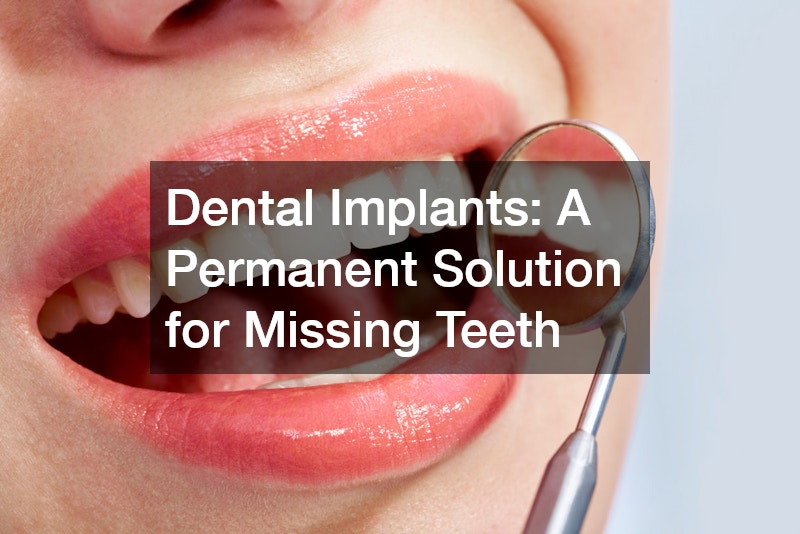
Dental implants are one of the most advanced and reliable ways to replace missing teeth. Whether tooth loss is caused by injury, decay, or gum disease, dental implants provide a strong and natural-looking solution. Unlike removable options, implants are designed to function like real teeth, helping you eat, speak, and smile with confidence.
For many patients, dental implants are a life-changing investment in both oral health and quality of life.
What Are Dental Implants?
Dental implants are small posts, usually made from titanium, that are placed into the jawbone to replace the root of a missing tooth. Once the implant bonds with the bone, it creates a stable foundation for a crown, bridge, or denture. This structure closely mimics the way natural teeth work.
Because implants are anchored in the jaw, they do not shift or move. This makes them feel more natural compared to traditional dentures or removable appliances.
Why Dental Implants Are a Popular Choice
Dental implants are widely recommended because they address both appearance and function. They don’t just fill the gap left by a missing tooth; they also help protect the jawbone and surrounding teeth.
Some key benefits of dental implants include:
- A natural look and feel
- Improved chewing and speaking ability
- Long-lasting durability
- No slipping or clicking
- Better confidence and comfort
Implants also help prevent bone loss, which commonly occurs after tooth loss and can affect facial shape over time.
Who Is a Good Candidate for Dental Implants?
Many adults are good candidates for dental implants, but a dental evaluation is necessary to confirm eligibility. Healthy gums and enough jawbone are important for successful implant placement.
Factors Dentists Consider
Dentists typically evaluate:
- Overall oral health
- Gum condition
- Jawbone density
- Medical history
- Lifestyle habits such as smoking
Even patients who have experienced bone loss may still qualify with additional treatments like bone grafting.
The Dental Implant Process
The dental implant process takes place over several stages. While it requires patience, the results are long-lasting and worth the time.
Consultation and Planning
The process begins with a thorough exam and imaging to assess bone structure and plan implant placement. Your dentist will explain the procedure and create a customized treatment plan.
Implant Placement
The implant is placed into the jawbone during a minor surgical procedure. After placement, the implant needs time to heal and fuse with the bone. This process, called osseointegration, usually takes a few months.
Crown Placement
Once healing is complete, an abutment is attached to the implant. A custom-made crown is then placed on top. The crown is designed to match the color, shape, and size of your natural teeth.
Benefits of Dental Implants
Dental implants offer several advantages that set them apart from other tooth replacement options.
Long-Term Reliability
With proper care, dental implants can last decades. They are considered one of the most durable solutions in dentistry.
Improved Oral Health
Implants do not rely on neighboring teeth for support, which helps preserve natural tooth structure.
Comfort and Stability
Because implants are fixed in place, they feel secure and comfortable. You can enjoy your favorite foods without worrying about movement.
Enhanced Appearance
Dental implants look natural and help maintain facial structure, preventing the sunken appearance that can occur after tooth loss.
Caring for Dental Implants
Caring for dental implants is similar to caring for natural teeth. Good oral hygiene is essential for long-term success.
Daily Care Tips
- Brush twice a day with fluoride toothpaste
- Floss daily around the implant
- Avoid chewing on hard objects like ice
- Visit your dentist regularly for cleanings and exams
Healthy gums are key to keeping implants strong and stable.
Dental Implants vs Other Tooth Replacement Options
Dental implants are often compared to bridges and dentures.
Implants vs Bridges
Bridges rely on nearby teeth for support, which may require reshaping healthy teeth. Implants stand alone and help protect jawbone health.
Implants vs Dentures
Dentures are removable and may shift during eating or speaking. Dental implants stay in place and feel more natural.
Cost and Value of Dental Implants
Dental implants may have a higher upfront cost compared to other options, but they often provide better long-term value. Because they last longer and require fewer replacements, many patients find them cost-effective over time.
Insurance coverage varies, so it’s important to discuss payment options and benefits with your dental provider.
Common Concerns About Dental Implants
Some patients worry about discomfort or recovery time. Most people report mild discomfort that can be managed with medication. Advances in dental technology have made the implant process more comfortable and predictable than ever.
Final Thoughts on Dental Implants
Dental implants are a trusted and long-lasting solution for replacing missing teeth. They restore function, improve appearance, and support long-term oral health. If you are looking for a stable and natural way to rebuild your smile, dental implants offer a proven option that helps you eat, speak, and smile with confidence for many years to come.
Related Posts
Is Dental Bonding Right for You? Common Benefits Explained
Dental bonding is a versatile cosmetic treatment that can improve both the appearance and function of your teeth. Using a tooth-colored resin material, this simple and cost-effective procedure can correct imperfections such as chips, discoloration,…
Does Your Child Need Braces? How to Prepare Before Seeing the Pediatric Orthodontist
Understanding whether your child needs braces can feel like a big step. From identifying early signs to preparing for the first visit, there’s a lot that parents often wonder about. A pediatric orthodontist specializes in…
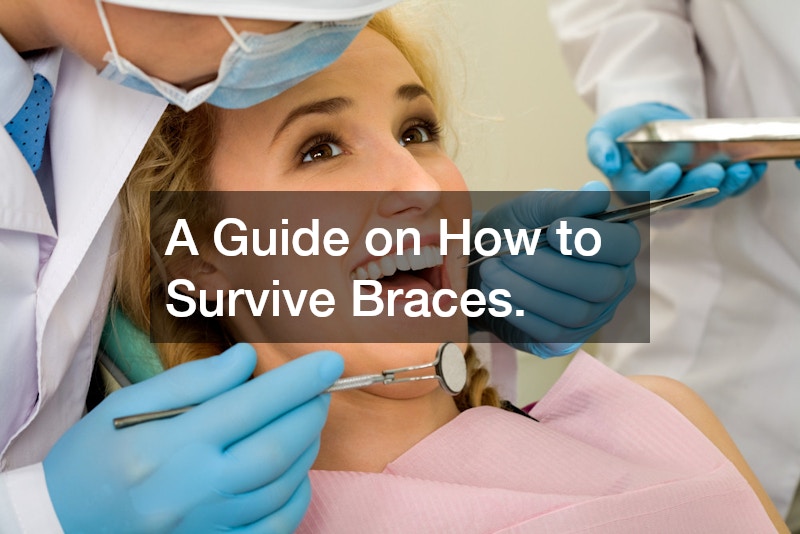
A Guide on How to Survive Braces.
Getting braces can feel like stepping into a new world full of adjustments, restrictions, and self-conscious smiles. Whether you are just beginning your orthodontic journey or are deep into it, surviving braces is all about…